
What is RSD? The struggle of watching your ADHDer child hurt
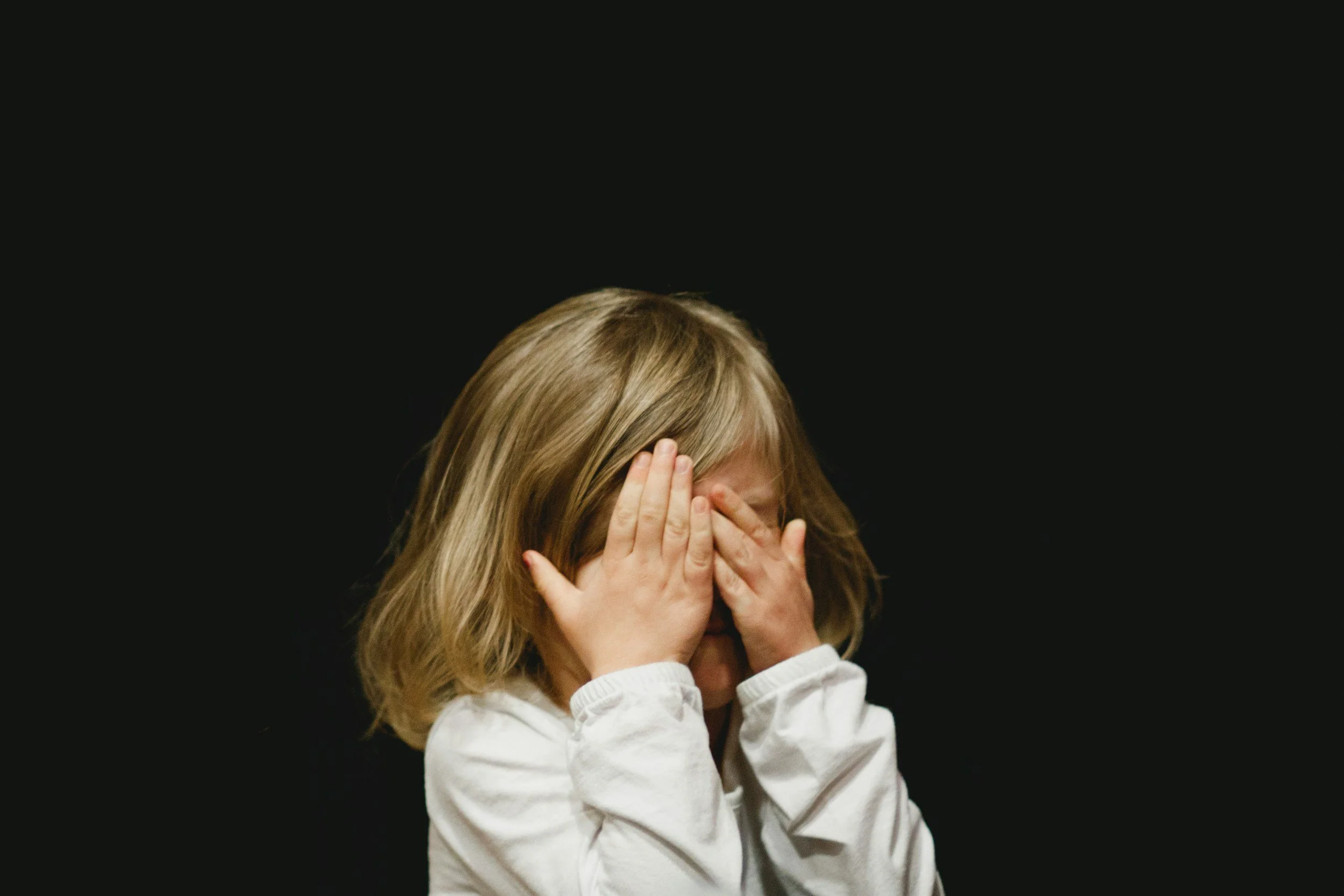
As a parent of an ADHDER or other neurodivergent child. You have experience with rejection sensitive dysphoria,
Even with this experience, you wonder what is RSD and why it affects your child like this.
Any point in the day, whether at soccer practice or at a spelling bee. They falter, and their face falls. They continue to struggle, and you can see them trying to recover.
When they get to you, they’re a mess. Crying, hiding how upset they are, or completely shut down and not speaking.
They berate themselves for a tiny mistake.
It feels helpless to watch your child struggle.
RSD is hard to watch as a parent
It seems to happen suddenly, you can be having a good day, and then your child’s friend makes a weird face or sends a vague emoji. Or your child isn’t quite as good at something as they think they should be.
Many parents find themselves walking on eggshells, worried about it happening again.
The smile goes from bright to a sudden frown, and like that, the day is over. Now you can feel the unhappiness radiating off your child.
As a parent, the hardest part is that it feels like there isn’t a thing you can do, or you just make it worse.
With a neurodivergent child, you aren’t just watching from the sidelines.
It’s hard on your child, and as a parent, it’s rough to watch.
As a parent of a neurodivergent child, there is a good possibility we are neurodivergent ourselves. With possible hyperempathy, which means our nervous system is flooded as soon as theirs is.
So then while we’re trying to maintain our cool, they’re struggling, and there isn’t much we can do to make it better.
What is RSD and why does it make things so hard for my kid?

RSD, or Rejection Sensitive Dysphoria, is a phenomenon that is most often seen in kids and adults with ADHD, it can also be seen in autistics or people with other neurodivergent profiles.
RSD is a sudden episode of dysregulation that occurs when the person perceives any sign of rejection from peers or believes one of their actions will result in rejection.
RSD is a recognized pattern but is currently not a clinical diagnosis in the DSM-5. The fact that it isn’t a current diagnosis doesn’t mean the pain the person is experiencing isn’t real.
Rejection-sensitive dysphoria is all about the perception of rejection or the possibility of it.
Here are some examples of perceived rejection;
A friend takes a while to respond, and your child thinks the friendship is over
A teacher calls on someone else when your child has their hand up, and they feel like the teacher hates them
You use a tired tone of voice, and your child spends the rest of the night believing you are mad at them.
For neurotypical kids, this is just the day-to-day life of a child. And none of these incidents would have registered as rejection or hurt. For them, it is not something to be upset about.
Kids (and Adults) who experience RSD are not just constantly on the alert for any sign of rejection, but they are also constantly trying to stop rejection before it happens.
This means they have to do everything they can to appear perfect and what they believe to be “normal”.
When you’re always bracing for rejection, perfection becomes self-protection. Here are a couple of examples;
They refuse to turn in an assignment unless it’s perfect because less than perfect feels like proof they aren’t smart enough
They erase their work so many times that they tear the paper, not because they want it to be neat, but because a mistake feels like failure.
They quit a team or activity they actually love the moment they make a visible error, before anyone else can “see” them fail.
So not only does RSD impact how your child feels in most of their social relationships, but they are always looking for proof that someone is going to reject them.
Rejection Sensitivity vs Rejection Sensitive Dysphoria
Rejection sensitivity is a personality trait that exists on a spectrum, everyone has it to some extent. It’s the tendency to expect rejection, notice signs of it in others, and feel hurt when it happens. In most people, it is manageable, and it doesn’t derail their day.
For many neurodivergent people, rejection-sensitive dysphoria is much more extreme.
Any sign of rejection sends the person into a tailspin. Their nervous system becomes quite dysregulated, and it can be quite difficult for the person to get back to being grounded.
This is why it’s hard for your kid to just calm down and let it go.
Why does my child experience RSD?
RSD is a perfect storm of the differences that exist in the neurodivergent brain, and it actually happens for different reasons depending on the specific neurodivergence.
In ADHDers, the prefrontal cortex, or the part of the brain that regulates emotional regulation and intensity, functions in a way that the volume of emotion is really extreme, even when the actual trigger is not extreme.
This means suddenly they’re reacting extremely to something that seems very small to others.
In autistic people, it’s similar but mildly different. Many autistic brains struggle with the concept of middle ground or gray areas.
If another child is annoyed with them, it isn’t viewed as a temporary situation to them. Their friends either like them or they don’t.
So any sign of unhappiness is interpreted as dislike.
For neurodivergent kids who already feel left out and isolated to some extent, fitting in and being liked, feels like life and death.
They spend so much of their time pretending to fit in. This adds another layer of pressure to avoid rejection.
For both ADHDers and autistic kids, their history contributes to the experience of RSD.
Neurodivergent kids have a history of misinterpreting social cues, either due to the social differences associated with autism or impulsively acting more quickly than they would otherwise.
They’re used to being rejected or left out by other kids. This history adds to the natural RSD that is already present.
It creates a situation where the child is hypervigilant, looking for any sign of rejection or that they aren’t good enough in their environment.
Due to their actual rejection history, the child has been hurt and left by others.
They are also more likely to be criticized by adults and their peers. This means their nervous system is on high alert to protect them from further hurt.
What RSD looks like at different ages and stages

While the root cause of RSD is the same throughout life.
Its presentation is different depending on the person’s age and where they are developmentally.
Some kids mask their neurodivergence, the differences, and problems resulting from it from an early age. This means that they may not start experiencing RSD or show it until later in their school career.
Here is what Rejection Sensitivity Dysphoria looks like at different stages of childhood and adulthood;
Under 5
A child with RSD who is younger than 5 might be clingy with one specific adult. With other adults, they might be very sensitive to any sign of disapproval.
When it comes to playing with other children, the child might become easily dysregulated if the other child takes something out of their hand or if play isn’t going as they expected it to.
They might avoid new activities until they know they can do them. For example, they might avoid walking until they know they can do it.
Early elementary
An early elementary school child that struggles with RSD will behave similarly to their younger selves. They are now sensitive to anything but positive feedback from their teacher or other influential adult.
They continue to avoid new or difficult activities until they are sure that they can do it. So they will often sit back and watch then practice in private until they believe they can do it. They also won’t speak up in class or groups due to the fear of being wrong and will avoid games at recess unless they know they will be good.
Peer relationships can be difficult, for example if they feel left out in a group activity or have conflict in a friendship they will interpret it to mean that no one likes them or they don’t have any friends.
Late elementary
A child in late elementary school who experiences RSD will suddenly quit activities they enjoy after one small mistake, sometimes so small that no one else is aware of it.
During this stage, perfectionism starts to show up in their schoolwork. The child might have difficulty turning something in if it isn’t just right. This impacts their relationship with adults as they are very aware and react strongly to any sign of irritation or disapproval from parents or teachers.
They become very concerned about their friendships and get their feelings hurt quite easily. They sometimes can appear controlling of their friends in order to avoid rejection. Some may start to withdraw socially in order to avoid rejection.
Middle school
Middle school is notoriously a time of extreme social awkwardness and social upheaval. It can be even more intense for a child who struggles with RSD.
Friend group dynamics can feel like life and death, they might be overanalyzed and obsessed over. They may experience overwhelming feelings and make semi-suicidal statements like “I wish I could die” or similar to express those feelings.
Social media can also become a major trigger.
When statements like this are made in the middle of conflict, this may not be actual suicidal intent but an expression of big feelings (this is still something to check in on with your child and a professional when they aren’t in the middle of a crisis).
At this age, the preteen may express the sadness of elementary school as anger or frustration. They might also start to people-please to maintain friendships.
First crushes may become a space for obsession and later devastation when it isn’t returned.
As time goes on, they may begin to actively avoid school or any activity where they are not feeling successful.
High school
Once the person gets to high school, where the academic pressure intensifies, the perfectionism gets worse. People-pleasing and masking are at their highest in this age group, as social pressure and group dynamics can get quite difficult.
The teen does everything they can to avoid the judgment of others and the possibility of conflict. Including avoiding new activities and places where they might be the center of attention.
The transition to adulthood might come with added depression and anxiety due to the RSD.
Friendships become volatile, and they might keep others at arm’s length to avoid the discomfort of conflict and possible negative feedback.
Romantic relationships and crushes may be destabilizing, whether they are going well or not.
The sensitivity to teacher and parent feedback also plays out in their first jobs with their boss. Any criticism may send them into a shame spiral and overthinking.
College age
At this age, young adults are either navigating college for the first time without family support or slowly gaining independence through a vocation and tiptoeing out of the nest.
The pressure of the upcoming or current transition to adulthood can increase RSD symptoms.
The young adult may struggle to connect with others and avoid interactions and classes where their RSD may be triggered.
As everything has a renewed level of pressure, sensitivity to feedback might be extra intense. They may avoid the vulnerability of asking for help, which can interfere with their success in places like academics and work.
Romantic relationships may continue to be volatile with the person displaying hypervigilance to any sign they are going to be abandoned. The young adult may stay in an unhealthy relationship or be needy and controlling with their partner.
At this age, the person may be able to hide the RSD when it is triggered but may be overthinking and analyzing in their head or when alone. This may contribute to sleeplessness, anxiety, self-hatred, and depression.
In other words, you may not be able to tell they are experiencing RSD, but it is still impacting them quite a bit.
Adulthood
In adulthood, RSD can show up in every aspect of the person's life. But like at the college age, they may be better at hiding it. At times, only the people who know them best can tell that they are struggling.
Even neutral feedback from bosses, partners, or peers can feel like a personal attack. In friendships and romantic relationships, offhand comments may trigger hurt feelings or fights that escalate due to increased RSD.
They may continue to stay in unhealthy relationships that take advantage of the RSD to control them.
Of course, all of this is just generalization, you may see behavior from any age group in an older child or adult. This breakdown is to help you identify what may be going on for your child or for you.
What if mom or dad has RSD too?
If you have an ADHDer or autistic child, there is a possibility that you, as your child’s mother or father, are neurodivergent as well. You may also experience RSD.
In adults, the trauma of being neurodivergent has a longer history and is more extreme than in childhood. That trauma can exacerbate the experience of RSD, which can also impact parenthood.
It can be quite complicated when you and your child both experience RSD.
Since RSD is a dysregulated nervous system due to perceived rejection, there are a couple of ways that people respond. They either fight, flight, freeze, or fawn. This means that if a parent who experiences RSD perceives rejection from their child, they may respond in a couple of ways.
They might lash out at their child in the fight response and say or do something they regret later. They might become cold or avoid interaction with their child in the flight response. They might completely shut down.
Or they might fawn or do everything they can to make their child happy with them. This might look like the kindest response, but still not healthy for the relationship, as it comes from a traumatized, dysregulated place.
None of these responses helps the child to become the best adult they can. It’s important as a parent to figure out ways to prevent these interactions from hurting your child emotionally.
Therapy for parents of kids experiencing RSD?
Even if you aren’t experiencing RSD yourself, understanding what RSD is, is the first step to helping you respond well as a parent.
It’s important to get support so that you can approach your child from a calm place even when they are dysregulated.
In the next blog, we will talk about the hope we have for helping people experiencing RSD.
If you would like emotional support while supporting your child with RSD or support with your own RSD, I would love to help. Schedule a consultation today.